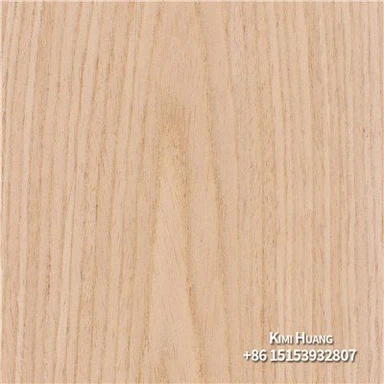

Is The Veneer As Thin As Possible
Jun 14, 2022
Nowadays, wood plate has been widely used in furniture, automobile lighting, wood flooring, decoration engineering and other industries. Because there are many kinds of wood, the thickness of wood is different in the process of making. At present, the commonly used thickness of wood is 0.5mm, which is also widely used today.
However, due to the sharp increase of cash raw materials, in order to reduce costs, many wood plates become thinner and thinner, and the use of wood plates with a thickness of 0.1-0.3mm is also very common. Especially in wood like species, such as acid wood bark, ebony bark, red sandalwood
Most of the wood and other materials are thin skinned.
Furniture decorative panels and wood-based panels with lower requirements are required. The thinner the light colored wood is used, the greater the probability that the resin veneer is prone to bottom leakage and glue penetration. It seriously affects the actual effect of resin veneer. The manual wood veneer is mainly 0.2-0.3mm thick. In order to facilitate the manual edge banding and improve the flexibility of the wood. Generally, a layer of non protective cloth or wrapping paper is pasted on the surface of the skin. It is also called non cloth proof wood plate and packaging paper wood plate. Then the wood will not crack easily. The mechanical equipment wood veneer is mainly 0.4-0.5mm thick and is formed by high temperature pressing. After polishing with stainless steel, a whole control panel is completed. If choose thin wood board, pass stainless steel to polish again easily sanded wear wood board surface, cause leakage bottom condition.
Types include: red oak, white oak, cherry, maple, golden grapefruit, peach blossom core, maple shadow, etc., red beech, white beech, Macquarie, red shadow, white shadow, sparrow maple, pear, Bama, Lee, yellow pear, iron knife, peach blossom core branches, all kinds of tree nodules, all kinds of colored wood!